Víctor Silva

Therapist, writer, cofounder of Ancestrina and creator of MAT.

Víctor Silva accompanies individuals and couples in therapeutic processes at Ancestrina. His work focuses not only on understanding what a person is going through, but also on seeing what sustains it, how the person participates in it and what real possibilities for change exist within their specific circumstances.

Today, therapy, the development of MAT and writing are different ways of going deeper into these questions.

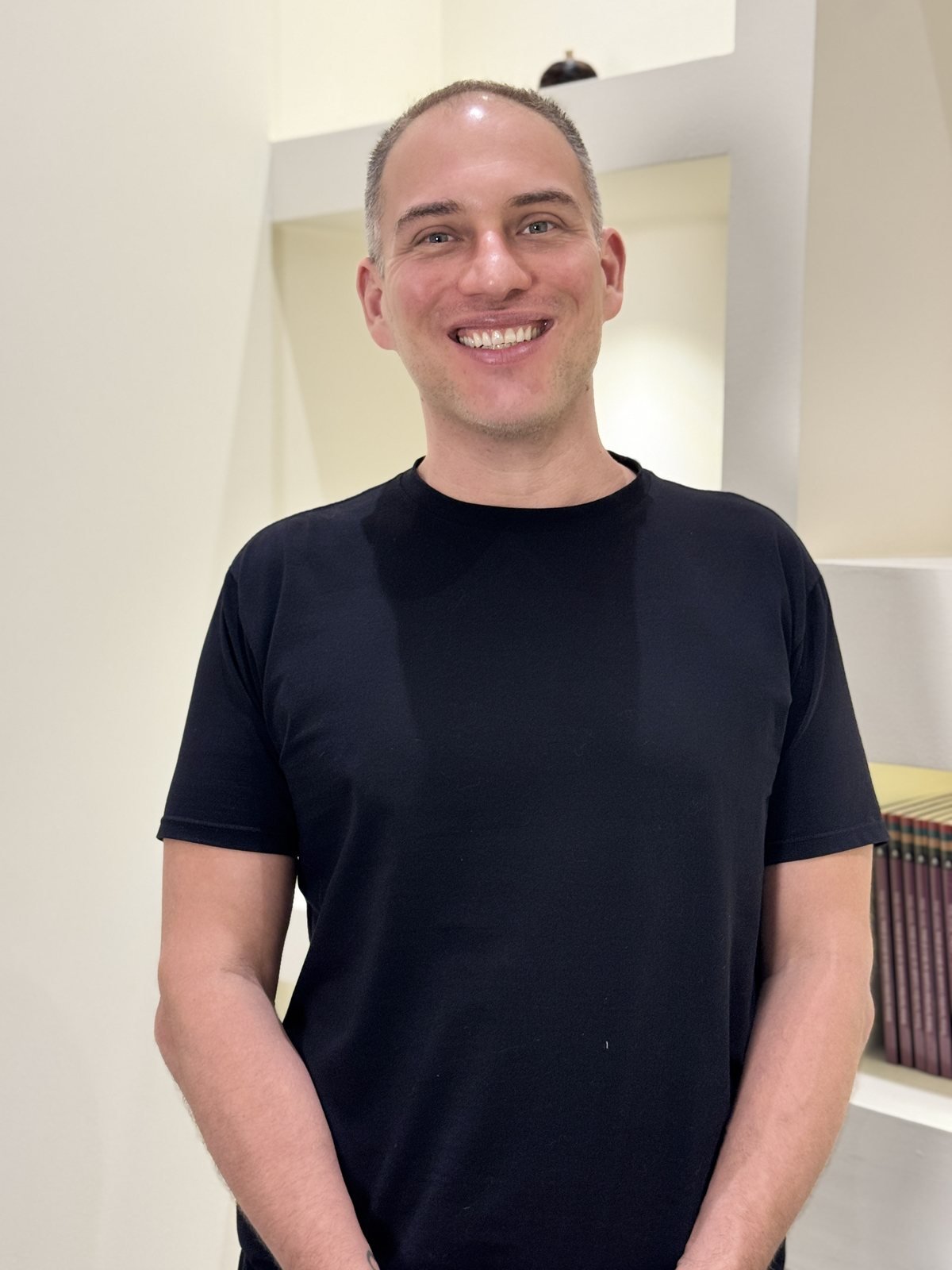
Víctor Silva, therapist and cofounder of Ancestrina.

A path that took shape over time

My path towards therapy did not begin as a professional decision.

For years, my life was centred on business. I worked, built companies and found in producing and solving problems a way forward. For a long time, I thought that if I could organize my outer life well enough, everything else would eventually fall into place.

It did not.

That rupture opened up a different search. I began to study and go through personal processes because I needed to understand what was happening to me and why, even when many things appeared to be working on the outside, there were still parts of my life I could not resolve.

I took part in the SAT Program with Claudio Naranjo and trained in Integrative Gestalt and Family Constellations at Fundación Claudio Naranjo Colombia. I also studied Tantra with Xavi Domènech and with Homa & Mukto, Essential Clown with Alain Vigneau, Bioneuroemotion with Enric Corbera and transpersonal psychology. Over the years I also took part in various diploma courses and other training processes.

I was not studying to collect tools for a future practice. At that point I was trying to understand myself.

My path was also deeply shaped by ancestral medicines and expanded states of consciousness. For years, I travelled, lived alongside and learned from elders and communities in different territories. Before facilitating processes, I spent years assisting and observing how others accompanied people. I learned something that later became central to me: opening an experience is very different from knowing how to sustain a process.

Over time, I began to notice a gap that became increasingly hard to ignore. Someone could go through an extraordinarily intense experience, understand important things about themselves and yet return to the same patterns afterwards.

I had experienced that too.

An experience could reveal a great deal. That did not necessarily mean life changed.

That observation drew me increasingly towards therapeutic work.

I began seeing people intermittently about eight years ago, often for one-off individual meetings. For about the past five years, therapeutic practice has become my main work.

Throughout that path, I have worked therapeutically both with and without substances. In either case, what interests me is not making a tool the centre of the process, but understanding what happens with the person and what they can do with what emerges.

How I accompany people

Sometimes a person comes to therapy with a very concrete problem: a recurring relationship pattern, a decision they cannot make or an argument that returns again and again. At other times, they only know that something is not working and cannot yet put it into words.

For me, what appears on the surface matters, but it does not always fully explain what is happening.

So I also look at what sustains the situation: what lies beneath the argument, what you are trying to protect, where you are coming from when you make a decision, what belongs to others and what part is within your reach, how you participate in what is happening and where you have a real possibility to act.

Over the years, I have developed a strong sensitivity to the mechanisms behind what a person tells me: what repeats, the defences that arise, what someone tries to avoid or protect and the forms one difficulty takes at different times in life.

Sometimes it feels like a process of decoding.

But noticing something does not mean possessing the truth about a person.

In therapy, I may offer an observation, ask a question or suggest another way of looking at a situation. The work is not for me to decide what your story means or tell you who you are or what you should do.

The authorship of the process remains yours.

The past matters. What others did matters. The specific conditions of life matter too.

An essential part of the work, however, is distinguishing what can no longer be changed from what you can still respond to.

Understanding can open a door. Then we need to see what you do with what you have understood.

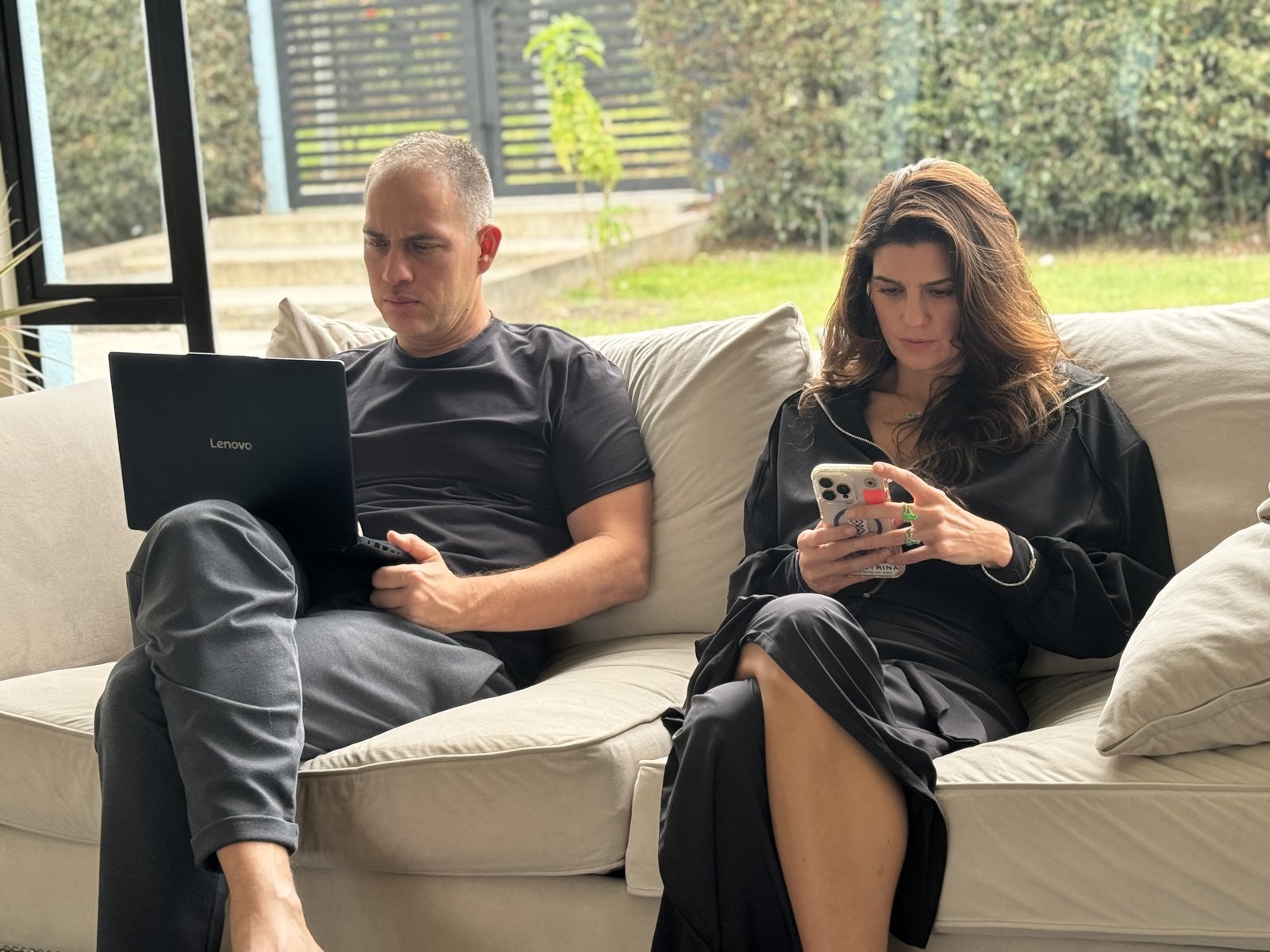
Víctor Silva and Marcela Gómez working at Ancestrina.

My place at Ancestrina

Ancestrina is a project I build together with Marcela Gómez.

We are partners, therapists and cofounders of Ancestrina. We share a practice and an ongoing conversation about how we accompany people, while each of us retains our own path and way of working.

At Ancestrina, I accompany individual processes, couples processes and one-off consultations.

For online work, a person can choose to work with Marcela or with me, according to their preference and our availability. If a process starts with me, I remain the therapist throughout; we do not alternate therapists between sessions.

Marcela and I accompany the in-person immersive process together.

Our shared practice allows us to think about processes from different perspectives without erasing the particular relationship between each therapist and the person or couple they accompany.

MAT

I created MAT.

Its development began with a difficulty I encountered over the years: none of the approaches I had studied fully addressed certain gaps I observed in practice.

My own observations, what I came to understand and the way I worked with people gradually began to take a direction of their own.

It appeared first in the practice.

Then came the work of organizing what I was doing, distinguishing its components and giving it a more explicit structure.

MAT grew out of that process.

MAT is a clinical approach in development for understanding how a person organizes their experience, how they participate in what they are living through and what real possibilities for change exist within their specific circumstances.

MAT does not encompass all of Ancestrina’s therapeutic work. It is one of the lines through which I continue to think about and develop my practice today.

Marcela participates in its clinical application and contributes to its practical development.

Learn about MAT →

ORCID: 0009-0004-8867-0590

Reference publication: MAT 0.4: arquitectura, conceptos, límites y estado de evidencia (versión 1.0)

DOI: 10.5281/zenodo.23050109

The DOI identifies the Spanish v1.0 publication.

Writing

Writing emerged as an extension of how I observe.

In a session, I may notice mechanisms, relationships or movements that cannot always be explored fully in the time available.

Writing allows me to spend time with those mechanisms, explore how they are organized and develop what I observe across different people and situations. It also lets me express my own way of seeing and understanding life without turning that view into an answer someone else must adopt.

I have published two books.

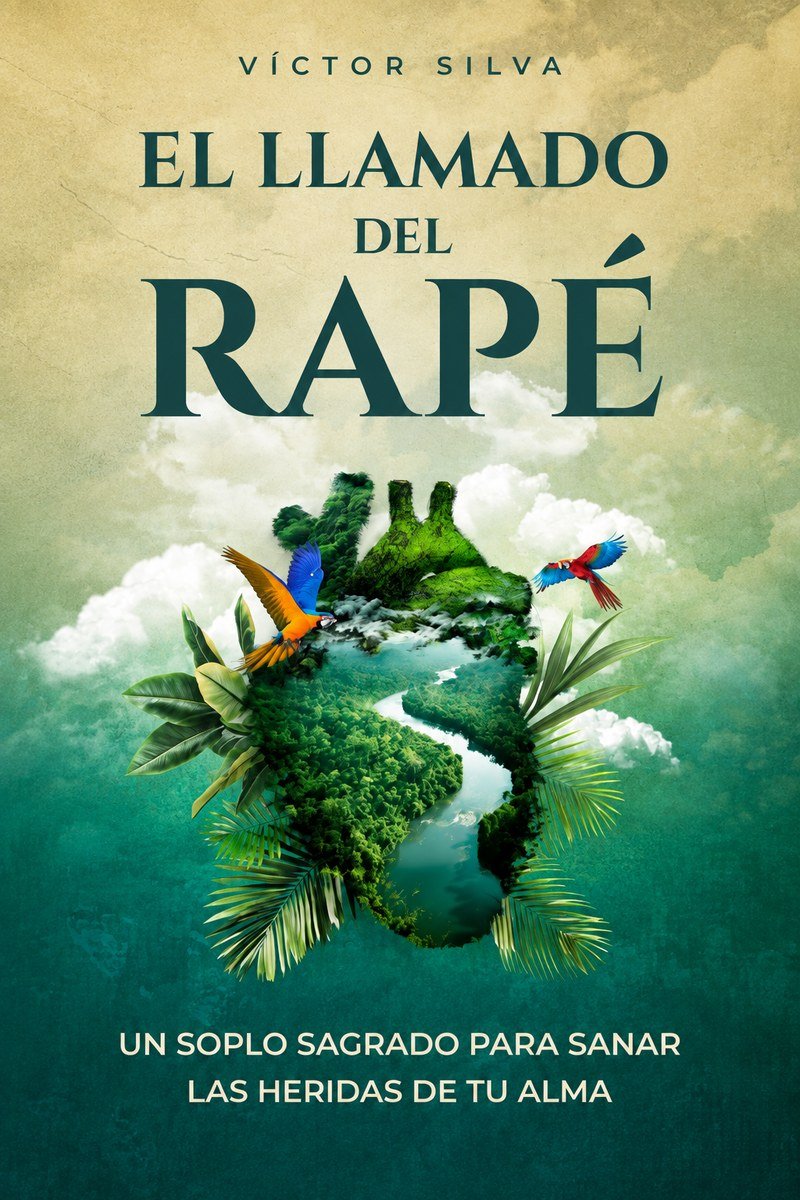
Cover of El llamado del Rapé by Víctor Silva.

El llamado del Rapé

2025

Un soplo sagrado para sanar las heridas de tu alma.

The book brings together an important part of my path with Rapé, my relationship with this medicine and what I learned through years of contact with elders, communities and ancestral practices.

It also develops a question that has run through much of my path: how to go beyond what appears on the surface to understand what sustains an experience.

El llamado del Rapé →

Read the first chapter free (in Spanish) →

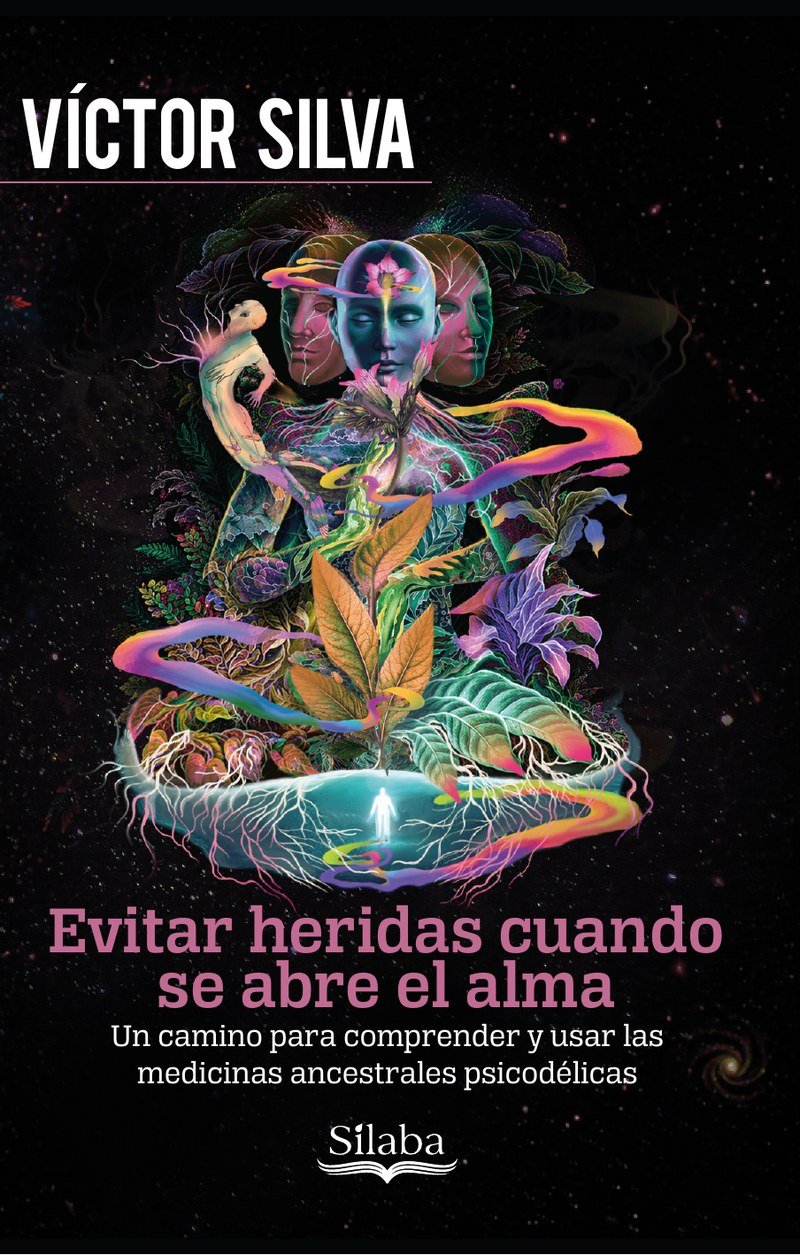
Cover of Evitar heridas cuando se abre el alma by Víctor Silva.

Evitar heridas cuando se abre el alma

2026

Un camino para la comprensión y uso de las medicinas ancestrales psicodélicas.

This book grew out of a deep re-examination of my own path.

After years of ceremonies and accompaniment, I began to see more clearly that an intense experience does not necessarily amount to transformation.

Opening something can matter. So can knowing how to prepare for it, sustain it, understand it and integrate it.

The book traces that passage between experience and process, and the risks that arise when the two are confused.

Evitar heridas cuando se abre el alma →

Read the first chapter free (in Spanish) →

Work with me at Ancestrina

At Ancestrina, I accompany individual and couples processes and one-off consultations in Spanish. You do not need to know exactly what is happening or have your whole story organized before you come: we can begin with what is happening now.

You can explore the ways we work and contact us to express your interest in working with me, subject to availability.

This site is registered on wpml.org as a development site. Switch to a production site key to remove this banner.